Ancients: Myths and Meaning
This edumedia™ course is in beta mode. Original video content to follow.
Author: SJ Murray, Ph.D., Professor of Great Texts, Baylor U.
Content: This brief introduction is intended as a primer for learners setting out on their own journey to understand the traditions of the ancient world. In my own great texts courses on “Ancients” at Baylor University, we spend a few days thinking about how myth shaped meaning and understandings of morality in the ancient world. In this unit, you’ll be introduced to three formative myth traditions:
The Mesopotamian Epic of Gilgamesh and Poetry by Enheduana, the world’s first known named author;
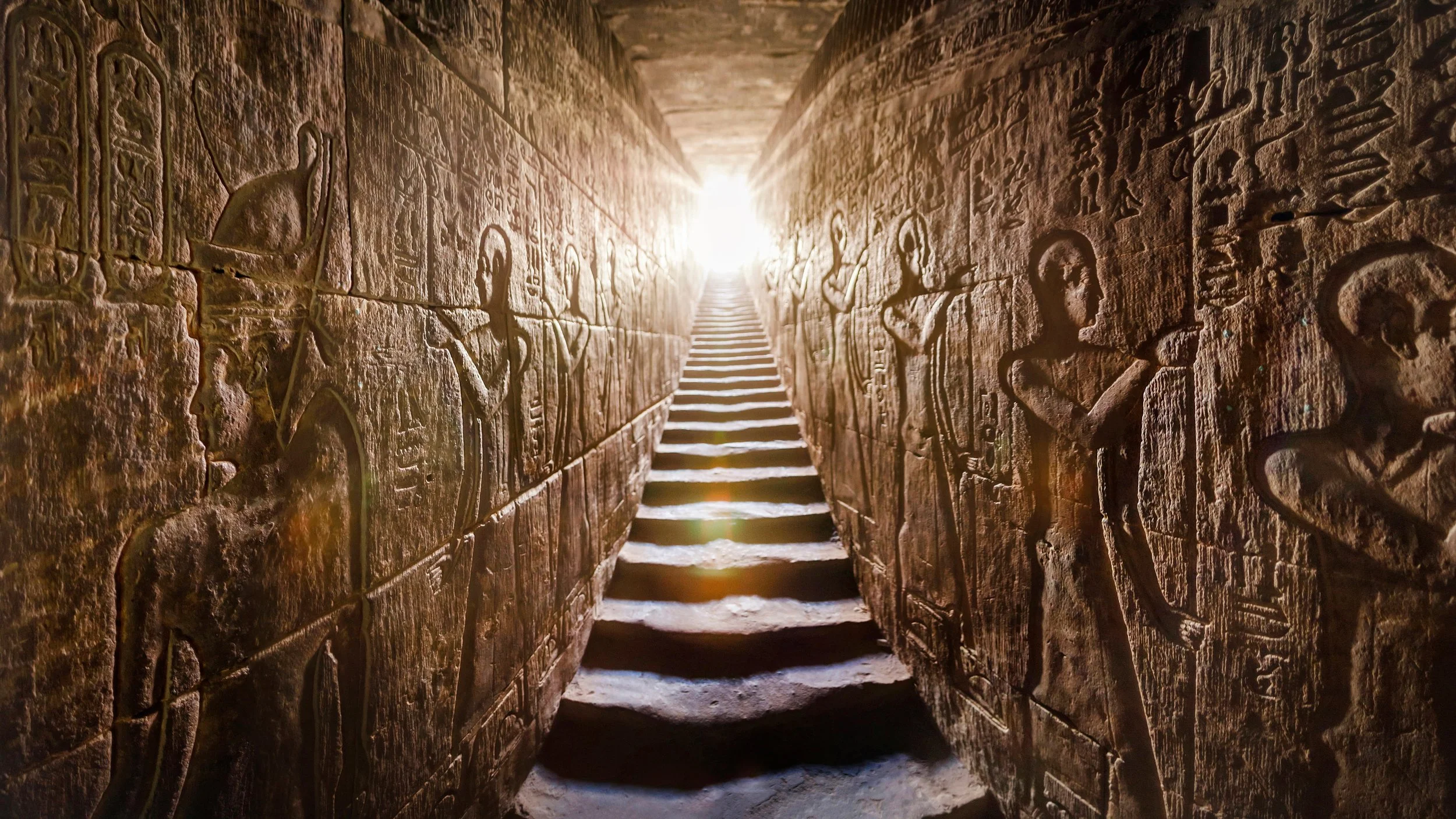
The Egyptian Book of the Dead;
And Plato’s Myth of Er from the end of the Republic.
Resources are open access and if you find value, you can Pay What You Want. You’ll also find lessons on SJ’s socials, where you can ask her questions.
-
-
Ancient Mesopotamia: Enheduana
Discover the first named author in the world, over 1500 years before Homer: the high priestess and princess Enheduana.
Discover the first named author in the world, over 1500 years before Homer: the high priestess and princess Enheduana.
-
Ancient Mesopotamia: Gilgamesh
Rediscovered in the 19th century during excavations, the Epic of Gilgamesh, recorded on clay tablets, includes the story of a great flood, and a quest for immortality.
Rediscovered in the 19th century during excavations, the Epic of Gilgamesh, recorded on clay tablets, includes the story of a great flood, and a quest for immortality.
-
Ancient Egypt: The Book of the Dead
Learn about moral judgment and the afterlife according to the ancient Egyptian Book of the Dead.
Learn about moral judgment and the afterlife according to the ancient Egyptian Book of the Dead.
-
Plato's Myth of Er in the Republic
At the end of the Republic, Plato shares a vision of Judgment and Justice in the afterlife: the Myth of Er.
At the end of the Republic, Plato shares a vision of Judgment and Justice in the afterlife: the Myth of Er.
-
“The unexamined life is not worth living.”
~ Socrates, in Plato’s Apology
